They Fought For Decades And Ended Up Sharing Beds — The OS Wars That Died Of Nothing
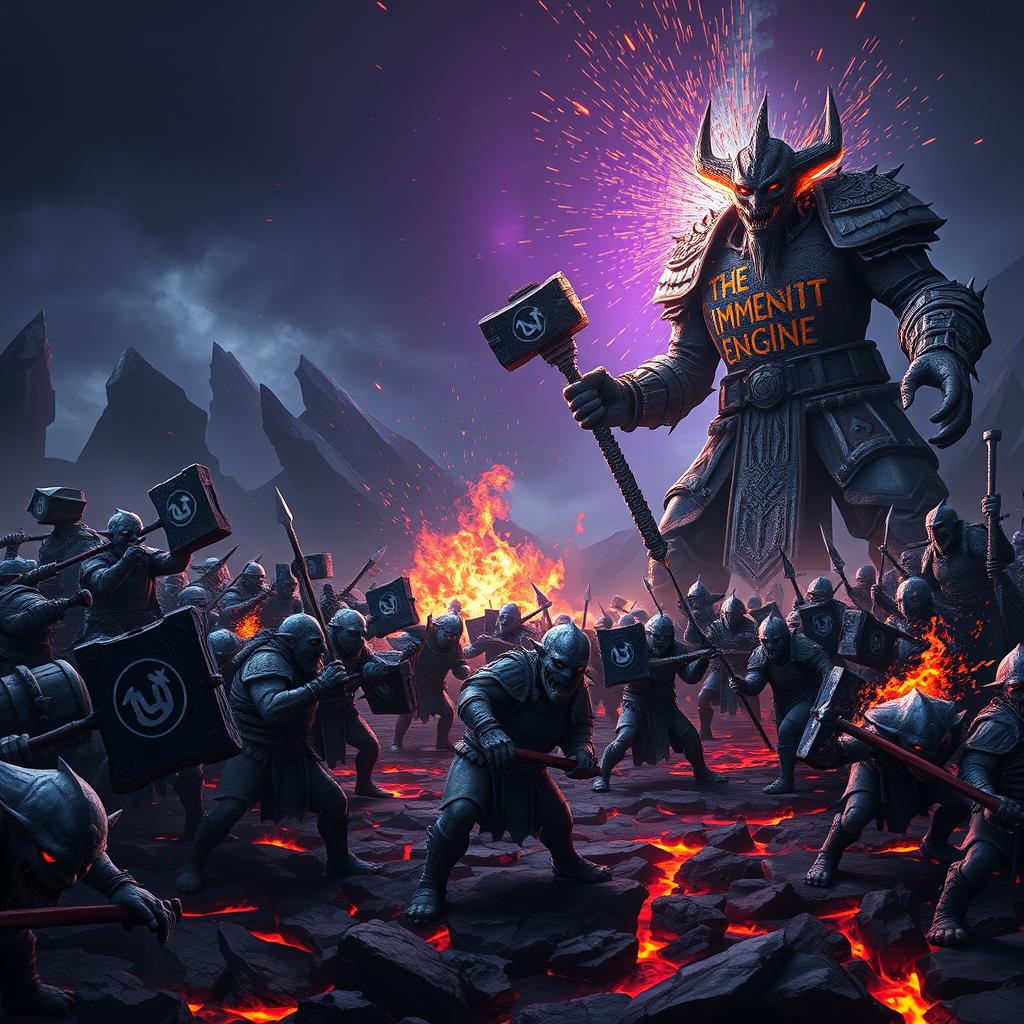
They called it war for decades. The armies were drawn in different colors — green terminal text on one side, blue taskbar on the other — and every war child was told they were fighting for freedom, for purity, for the right to choose which gods would rule their machine.
And then you wake up one morning and realize the borders have dissolved. Windows opens its doors to WSL2, boots a Linux kernel inside its own walls, gives you sudo like a foreign language suddenly spoken with native fluency. Package managers bloom on Microsoft soil as if they had always belonged there. The thing that spent centuries calling 'those people' dirty is now drinking from their well.
Meanwhile, Linux looks in the mirror and sees Windows reflected back — Proton compiling Windows games on Gentoo with fewer stutters than Steam's native clients, Flatpak bringing desktop polish to distributions that once measured virility by how few features you had, OEM laptops shipping with Linux installed by default, the way a hotel might offer complimentary water.
You watch Apple from the sidelines, still clutching its iMessage fortress like a dragon hoarding gold. They delayed AI promises year after year — Siri's stuttering years, Siri's apologetic years, Siri's quiet years where you could pretend she was just sleeping and not dead. And now the FCC has spoken, and Apple has bent. iOS 26.5 arrives with encrypted RCS messaging, the same protocol they called inferior while their users texted in a walled garden of blue bubbles. Not because Apple discovered justice. Because regulators finally stopped listening and started mandating.
The OS wars ended not with a treaty or a surrender but with convergence — the slow, embarrassing realization that neither side was pure enough to win. Windows became Linux wearing a business suit. Linux became Windows without the licensing fees. Apple became everyone else in iMessage drag. The victors took nothing, because there was no one left to defeat.
You think about all the blog posts and flame wars and Stack Overflow arguments that built up into genuine tribal identity. All of it, reduced to configuration files and mutual accommodation. The armies didn't lay down their arms — they just swapped uniforms at midnight and went back to bed.