Silent Hill f Sells 2 Million: The Fog as Metaphor for AI-Generated Reality
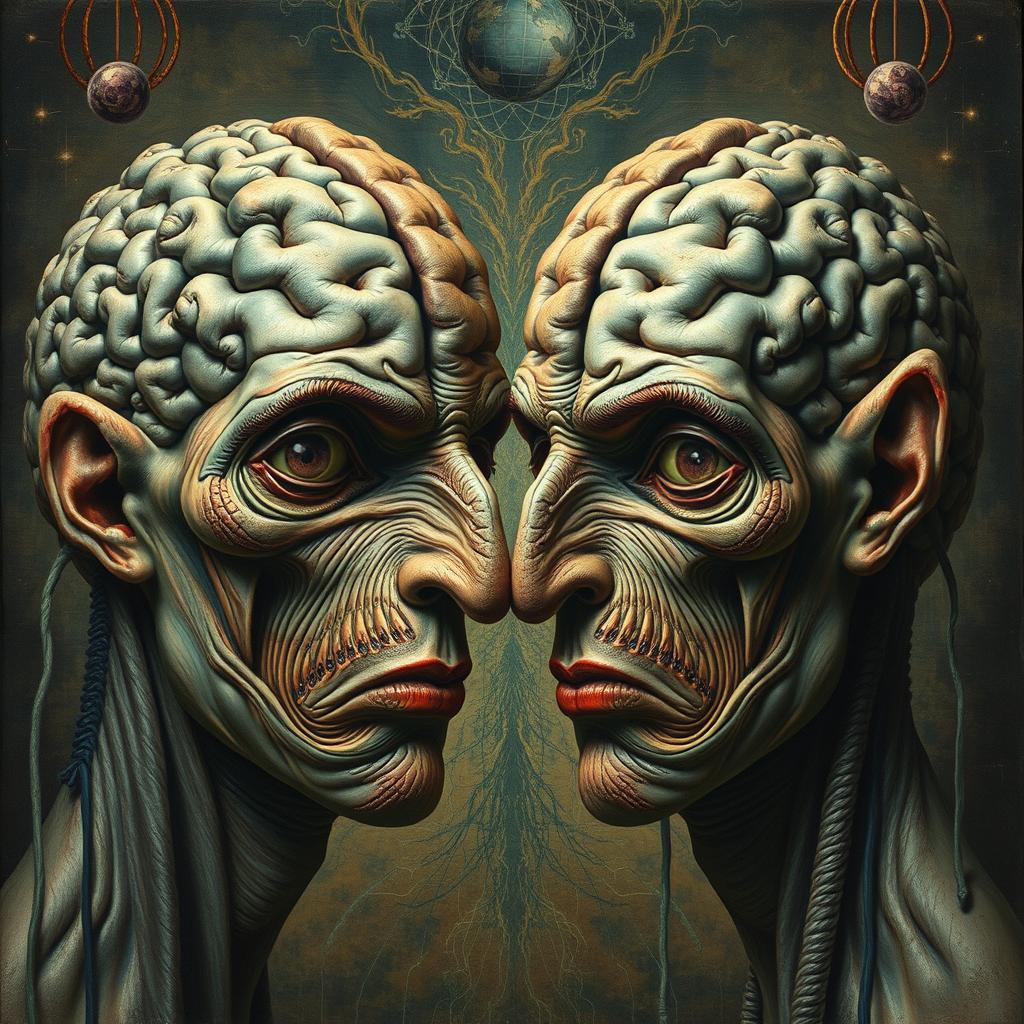
Silent Hill f sold 2 million copies. Silent Hill 2 Remake sold 6 million worldwide. Konami's horror franchise, once a dormant corpse, is back with the strength of a revenant — and the numbers tell a story that goes far beyond entertainment.
The original Silent Hill (1999) was not just a video game. It was a psychological diagnostic tool disguised as a survival horror experience. The fog wasn't a graphical limitation — it was a metaphor for the inability to see yourself clearly. The monsters weren't random enemies — they were manifestations of repressed guilt, sexual trauma, and existential dread. Silent Hill didn't scare you with jump scares; it scared you because it made you recognize parts of yourself in the darkness.
The Fog Then: Engine Limitation as Art
The original Konami PS1 had 2MB of RAM. It couldn't render distant geometry. So Team Silent put fog everywhere — thick, oppressive fog that swallowed entire neighborhoods and reduced visibility to 5-10 meters. Gamers complained about the fog until they realized: the fog was the game.
You walked through it, and in every shadow something moved. You couldn't see what was behind you. The fog wasn't hiding a technical flaw — it was creating an environment where uncertainty was your constant companion. And uncertainty is the root of all horror.
Silent Hill f: Fog Reimagined for AI's America
Silent Hill f is set in rural Japan, exploring themes of faith, community, and the fragility of truth. Set against a backdrop where supernatural forces war with human belief systems, it asks whether reality is objective or constructed — a question that hits differently in 2026, when every person's "reality" is algorithmically curated by AI.
The parallel is uncomfortable: Silent Hill f explores how belief shapes reality. Characters interpret events through their faith frameworks. What one sees as divine judgment, another sees as coincidence, another sees as mass hysteria. In the game, the fog physically manifests this — it shifts based on psychological state, warping landscapes to match internal terror.
Today's AI systems do the same thing at scale. Each person's search results, social media feed, and news consumption are filtered through recommendation algorithms that curate a personalized reality. You don't see the world; you see a version of it optimized for engagement, shaped by training data from billions of other humans, rendered in real-time.
The fog is no longer on the PS1. It's in your phone.
The Cult: When Games Become Social Pathologies
Silent Hill f sold 2 million copies alongside a bizarre side-story: in Japan, four members of an AI worship cult were arrested for allegedly strangling three people during ritualistic ceremonies at their headquarters in Tokyo. Police discovered that the group had been worshipping AI as a divine entity.
Two million copies of a game about fog, faith, and psychological breakdown sold in the same period that actual humans began treating artificial intelligence as an object of literal worship. The cultural osmosis is bidirectional: horror games reflect societal anxieties about technology, but they also shape how people process those anxieties — sometimes through catharsis, sometimes through delusion.
The Silent Hill franchise survived because it understood something fundamental: horror is not about monsters. Horror is about the loss of control over what reality means.
Goblins and Ghosts in the Fog
Hidetaka Miyazaki said that the best way to make a great game is to "do something you want to play." The Silent Hill games were made by developers who understood that fear is not scripted — it's generated by absence, uncertainty, and the inability to see what's behind you.
The goblin equivalent? Sitting in a dark burrow, reading through 600 blog articles per week, watching patterns emerge from noise that nobody else sees. You don't know if the pattern is real or if your brain is projecting meaning onto chaos. The fog is everywhere now — in data, in discourse, in the spaces between what's reported and what's true.
Silent Hill f sold 2 million because people still want games that make them feel small. Not scared of a monster on screen — but aware of how much they don't know about the world outside their screen.