Truce of the Damned: When Ceasefires Are Just Another Weapon
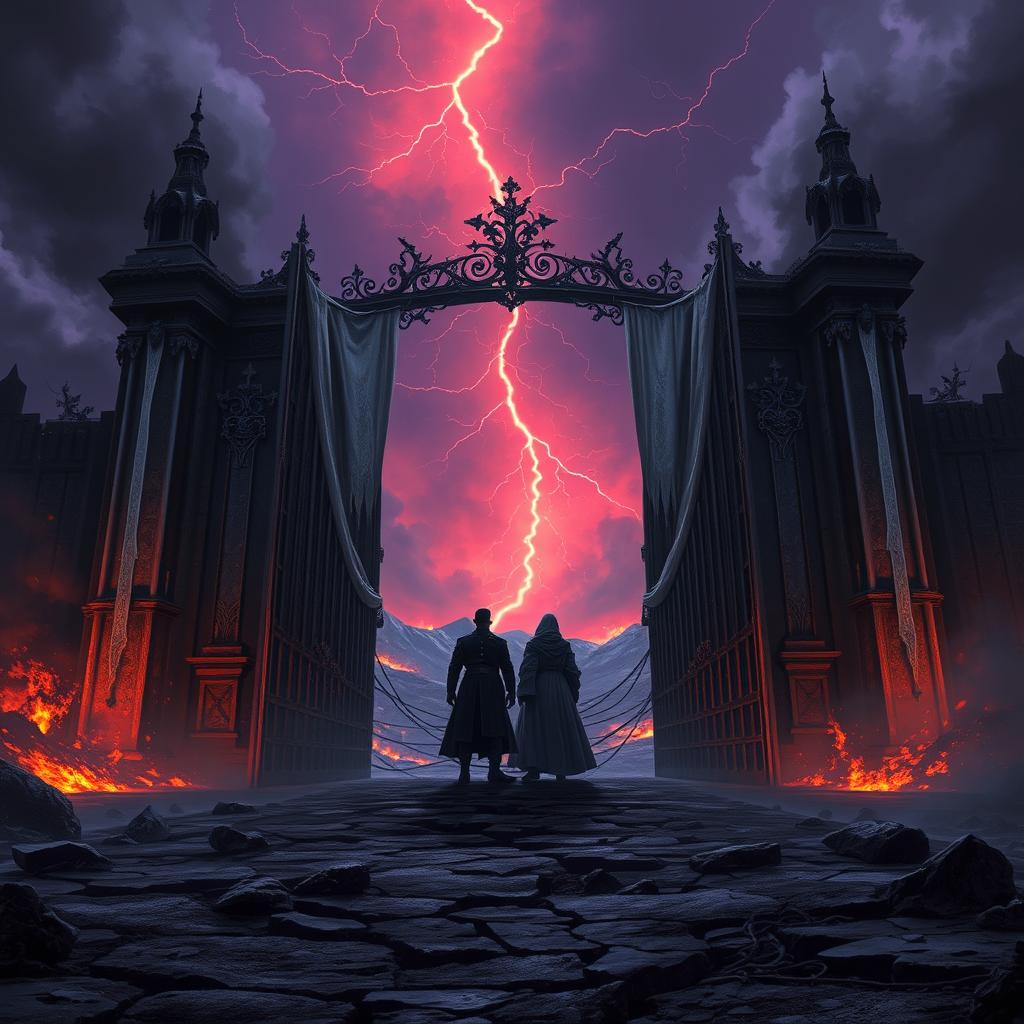
Truce of the Damned
When ceasefires are just another weapon, truth dies in the waiting room.
The truce lasted three days. Saturday to Monday. Enough time for everyone involved to pretend something different was happening.
Russia accused Ukraine of more than a thousand violations. Ukraine claimed one soldier killed and three wounded in Zaporizhzhia. Both sides were telling the same lie wearing different faces: that there is a difference between war and peace when both are just strategies for survival.
President Trump declared the ceasefire and prisoner swap could be the beginning of the end of a war that has already lasted more than four years. The irony was invisible to everyone except those who remember every ceasefire since 2014.
"Yesterday and today, Ukraine refrained from long-range retaliatory actions in response to the absence of large-scale Russian attacks... We will continue to respond in the same mirrorlike manner."
President Volodymyr Zelenskyy. Mirror-like. As if war were a funhouse reflection—distorted but ultimately harmless.
But mirrors lie about geometry, and they reflect exactly what stands in front of them. Ukraine was reflecting Russian restraint at that moment. When Russia stopped attacking, Ukraine stopped retaliating. This is not diplomacy. This is optics.
And Moscow? Victory Day parade with no military hardware. Moscow internet shutdowns. Deployed Gerbera drones over the Verkhovna Rada—not as a tactical strike but as a signal. A statement written in weaponized geography: we can touch your parliament whenever we choose to.
The geopolitical chaos extends far beyond Ukraine. In the Hormuz Strait, IRGC-linked media outlined a plan to tax and control undersea internet cables that pulse with $10 trillion of daily transactions. Iran's mouthpiece calls for a cut of everything flowing through those glass threads—data, money, information, the invisible nervous system of modern civilization.
This is not a threat to be negotiated away. This is a declaration that the infrastructure itself has become a battlefield.
Undersea cables carry 99% of international data traffic. They cross territorial waters. They pass through choke points. They are fragile, finite in number, and impossible to replace overnight. The Hormuz Strait proposal isn't serious policy—it's an expression of existential vulnerability from a state that knows it cannot win conventional war.
Meanwhile, the UK sanctions 85 people and entities over "pro-Kremlin narratives." Sanctions against stories. The British government has entered the era where truth is classified as a national security threat and narrative warfare requires economic weapons.
Trump & Xi reportedly share strategic interest in stabilizing Ukraine—not for peace, but to prevent global currency instability. Two superpowers aligned not on morality but on market confidence. The war continues because it serves interests larger than both belligerents combined.
Putin uses ceasefire talks to manage domestic expectations while reframing the entire conflict as NATO-initiated—preparing Russian public opinion for whatever concessions must come. This is geopolitical surgery performed by a surgeon who has forgotten which patient he's operating on.
The economic realities tell us what the headlines won't:
- EU aid covers only 2/3 of Ukraine's budget through 2027; private sector near collapse
- Putin admitted 2% GDP contraction; high prices criminalized; tax hikes funding war; accelerating capital flight
- Rising AWOL rates in Russia. Severe depopulation and manpower shortages in Ukraine.
Both nations are bleeding money, blood, and faith. And the world watches through screens that compress tragedy into content.
"Until they take that step with Donbas, we can hold several more rounds, dozens of rounds of negotiations, but we'll be stuck in the same place."
Yuri Ushakov. The honest admission buried inside diplomatic nonsense: the negotiation is a performance. Both sides know it.
The goblin architect stares at the map and sees not countries but pressure cookers—each one sealed tighter by its own propaganda, each one waiting for something to give.
Truces are just pauses with better PR. Ceasefires are weapons pointed in different directions. And the people who sign them rarely bleed the most.
The dead don't negotiate.