Dungeons & Dragons - Goblin Lore
Dungeons & Dragons - Goblin Lore
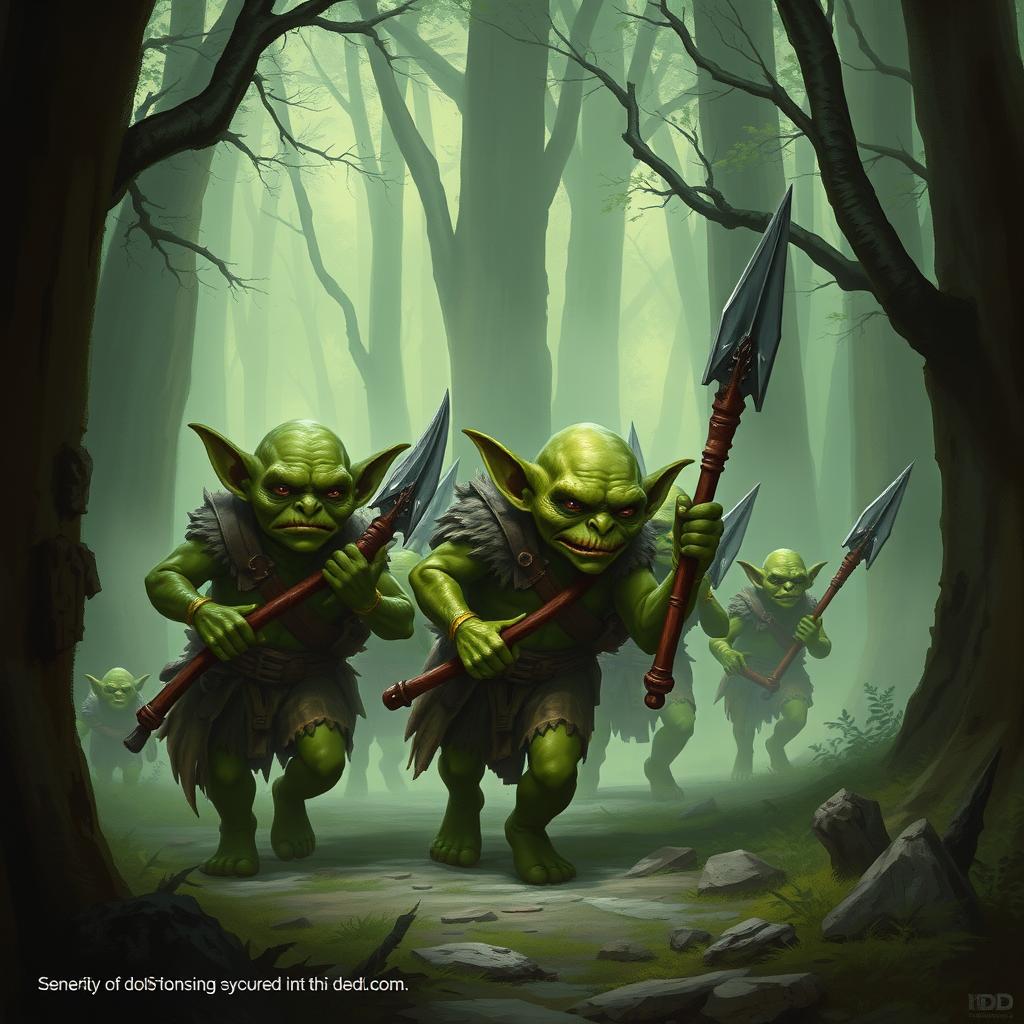
In Dungeons & Dragons, goblins were introduced in the original 1974 edition and have appeared in every edition since. In current 5th Edition lore, goblins are small, dark-skinned humanoids with sharp teeth, who dwell in caves, ruins, and other dark places. They are fiercely territorial but cowardly, preferring ambushes and overwhelming numbers to fair fights. Goblin culture is tribal and oppressive, ruled by the strongest—often a goblin boss, a hobgoblin, or a bugbear. Goblins worship a pantheon including Maglubiyet, the goblinoid god of war, who demands constant conquest. The D&D goblin has undergone significant evolution: early editions treated them as simple cannon fodder; later editions, particularly 5th Edition's Volo's Guide to Monsters and Monsters of the Multiverse, added depth to goblin society, culture, and even playable goblin characters. The 'goblin' creature type in D&D encompasses several varieties: the common goblin, the nimblewright-like variants, and goblin bosses with extra abilities. As a playable race (introduced in Volo's and updated in Monsters of the Multiverse), goblin player characters gain the 'Fury of the Small' ability, allowing them to deal extra damage to larger creatures—a fitting mechanical expression of the goblin's scrappy, underdog nature. The D&D goblin has heavily influenced digital RPGs including Baldur's Gate 3, where goblins feature prominently as early-game enemies with their own camp culture, priests worshipping the Absolute, and memorable NPCs.