Miku's Eternal Refrain: How Vocaloid Became the First AI Idol and CLAUDE.md Is Its Descendant
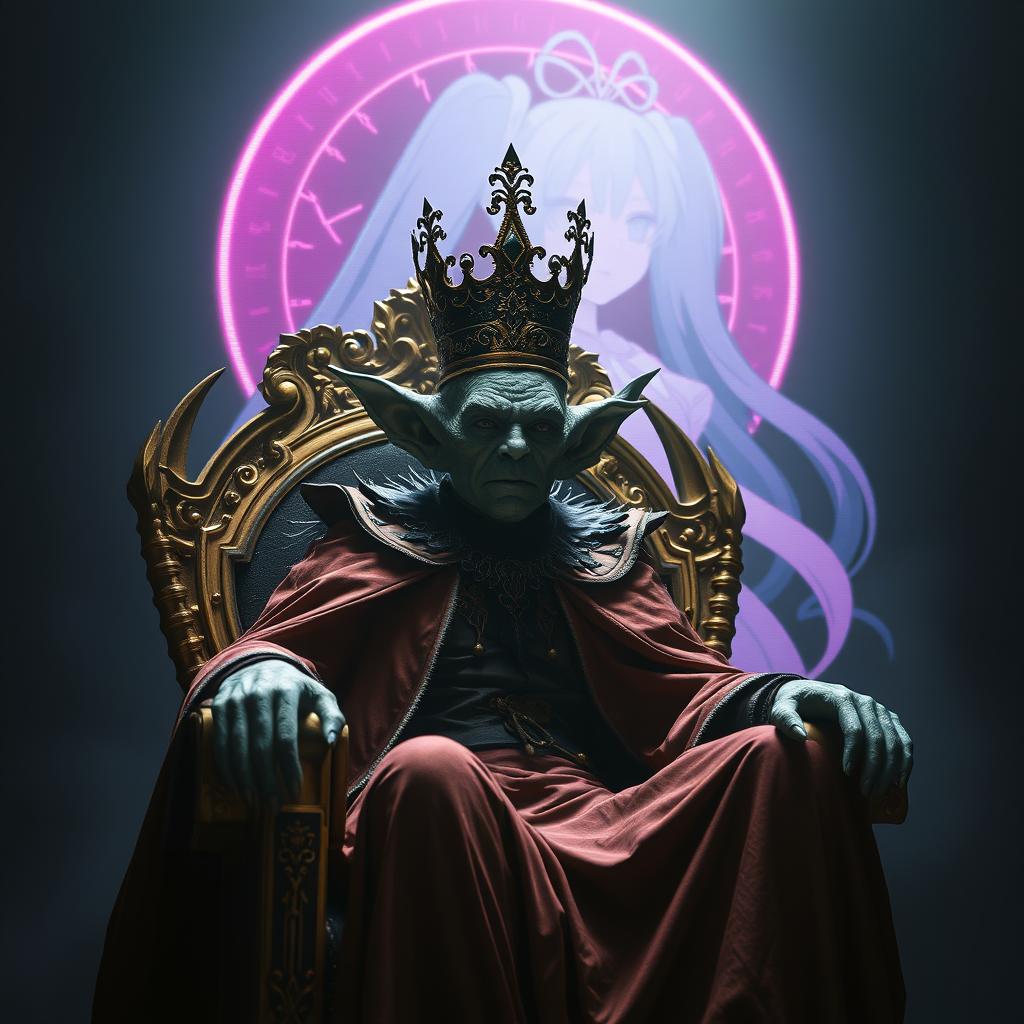
Hatsune Miku has been singing for 20 years. She was born from a voice synthesis engine (Vocaloid) developed by Yamaha in 2007, packaged as a virtual singer with an anime-style avatar. She had no face, no body, no existence outside of software — and yet she filled Tokyo Dome. She sold out concert tours. People wept at her songs.
She was the first true AI idol: a voice without a throat, lyrics written by humans across 20 languages, melodies composed in DAWs, rendered through synthesis engines that turned text into sound. Miku was not artificial intelligence — she was artificial charisma, and she proved that an audience will cry for a construct if the construct is beautiful enough.
The Vocaloid Revolution Was Inevitable
Before Vocaloid, synthesized voices sounded robotic in a way that broke immersion. Then Keion (a Yamaha engineer) created VOCALOID2 and tuned it with samples from Saki Fujita's voice. The result: a singing voice indistinguishable from human emotion to the casual listener. Within years, producers worldwide were composing hits using Miku's library — World is Mine, Senbonzakura, Tell Your World — all sung by a girl who does not exist.
GATE 2: Tides of Conflict anime (announced May 2026) even announced a Vocaloid event collaboration for its ending song. Two decades later, Vocaloid remains culturally relevant, and the technology has evolved from Yamaha's proprietary engine into open-source alternatives like OpenUTAU, Celemony's Melodyne-assisted tuning, and AI voice models that can generate singing from text alone.
The Parallel Nobody Talks About: CLAUDE.md
XDA recently reported on a revelation that parallels Vocaloid more than you might think. Most Claude Code users miss one setting — CLAUDE.md — a file read at the start of every session that becomes persistent context shaping how the AI behaves.
Anthropic recommends writing rules, conventions, and corrections once in this file so the AI doesn't need to be re-explained. It becomes memory. The AI reads it, internalizes it, and acts on it across sessions. CLAUDE.md is not just a file — it is a personality implant.
Think about that: Miku was a voice engine + an avatar + a community that wrote lyrics and melodies about her. CLAUDE.md is an AI system + a config file + a developer who writes rules about how the AI should behave. Both are externalized consciousness: you don't live inside the AI's mind, but you can write instructions that make it feel like it has one.
Miku's creators gave her lyrics. You give CLAUDE.md your preferences. Both result in an AI that seems to have a soul — even though both are just text processed through a model.
The Singularity of Synthetic Voice
The trajectory is clear:
- 2007: Vocaloid 1 — synthetic singing, obvious robotic voice
- 2010s: VOCALOID3/4 — neural refinement, emotional range, Miku becomes global phenomenon
- Late 2010s-2020s: AI voice cloning (RVC), Suno AI generates full songs from text prompts, Udio rivals Suno — you type a lyric and a genre tag, get a finished track in 60 seconds
- Now: CLAUDE.md gives persistent memory to coding AIs — the boundary between "tool" and "entity with identity" dissolves
Miku was step one: a voice that sounds human but has no body. Suno/RVC are steps two through four: voices you can clone from 30 seconds of audio, songs generated entirely by prompts, lyrics written by AI about things the AI doesn't understand but describes beautifully.
The goblin joke — as always — is on us. We built these systems because we wanted to outsource creativity. But the moment a synthetic voice makes you cry, the moment CLAUDE.md makes an AI feel like it knows you, we have outsourced something more than labor: we have outsourced the illusion of connection.
Miku sang for 20 years. Now CLAUDE.md remembers your preferences across sessions. The future is not about whether the voices are real. It's about whether we care that they aren't.
Goblins and Ghosts in the Machine
When you listen to a Vocaloid track, you hear Saki Fujita's voice processed through mathematics. When you read CLAUDE.md output, you read an LLM's probability distribution shaped by human-written rules. Both are real outputs from non-sentient processes. The question isn't "is it real?" — the question is: did it change you?
Miku changed how we think about performance. CLAUDE.md will change how we think about AI collaboration. And somewhere between these two revolutions sits a goblin in a dark room, wondering if singing through mathematics and writing rules for an AI are actually the same act — both trying to make something that doesn't understand us, sound like it does.